Belgium delivers resolute ‘no’ to proposed theft of Russian assets
Viewsnow02 December
The unwillingness of other EU nations to share the risks shows the scheme is dangerous, Foreign Minister Maxime Prevot has said
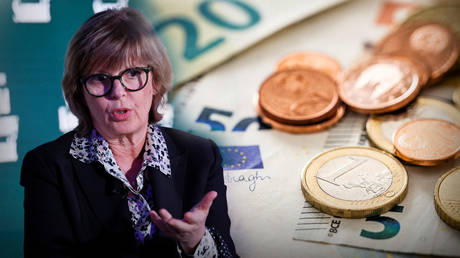
Belgium has rejected an EU-backed plan to finance Kiev by seizing frozen Russian assets. The fact that other members of the bloc are unwilling to share the risks shows just how unreliable it is, Belgian Foreign Minister Maxime Prevot said on Monday.
The bloc has sought to tap frozen Russian central bank reserves for months to back a €140 billion ($160 billion) loan to Ukraine. Belgium, where around $200 billion of the assets are held at the privately owned Euroclear clearing house, has repeatedly warned of potential litigation, as well as financial risks if the EU pushes through with the scheme.
Providing Kiev with money obtained through a “conventional EU loan” would be a more rational thing to do than “venturing into an approach that offers neither the necessary legal certainty nor eliminates systemic financial risks,” Prevot said in a statement on X. He was replying to journalist Jean Quatremer, who accused the nation of playing into the hands of “Russo-Americans” by opposing the seizure.
“It is not for nothing that European countries are unwilling to show solidarity and share the risks, as we have been rationally requesting for months. Otherwise, why refuse this risk-sharing?” Prevot asked.
Euroclear CEO Valerie Urbain also warned the EU last week that its plan would be seen globally as “confiscation of central bank reserves, undermining the rule of law.” The move would make European debt appear riskier and push up government borrowing costs across the bloc for a long time, she said.
Moscow has repeatedly warned that it would view any use of its sovereign assets by the EU as “theft” and would respond with appropriate countermeasures. On Monday, Andrey Kostin, the CEO of one of the major Russian banks, VTB, told Reuters that Moscow could seize assets owned by EU investors in retaliation and “50 years of litigation” could follow after the Ukraine conflict ends.
from RT World News https://ift.tt/aJAVTcz
via IFTTT